







Significance of the Research
Space transportation systems form the backbone of all space development and utilization, and their reliable, cost-effective operation is of paramount importance.
Nations with space transportation capabilities are continuously improving their systems, and in recent years, private companies have also entered the field independently, intensifying global competition.
Against this backdrop, JAXA is advancing a wide range of research on common infrastructure technologies that help ensure the autonomy of Japan’s space activities, as outlined in the Basic Plan on Space Policy, and maintain and strengthen the national space industry base. Through these efforts, JAXA aims to drive innovation in space transportation systems that will support the future expansion of space utilization.
Research Objectives
With “enhancing competitiveness” as a central theme, the research is broadly organized into the following subtopics:
- Systems
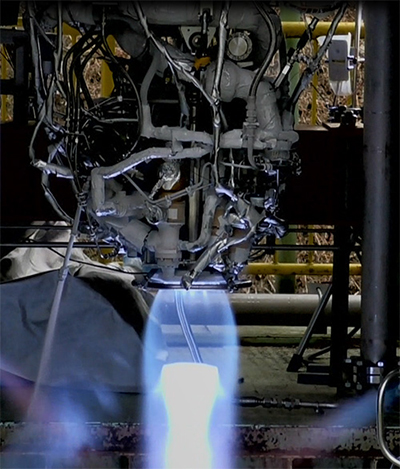
- Propulsion and Engines
- Avionics
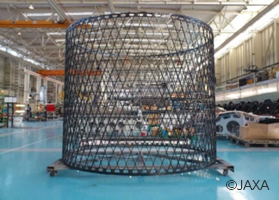
- Structures
- LNG Propulsion Systems, etc.
The specific objectives vary across themes: some target the direct resolution of challenges and improvements to current mainstay launch vehicles; others aim to introduce innovative technologies into the H3 and Epsilon rockets; and still others pursue fundamental innovations for future transportation systems. All research activities are conducted in close coordination with the relevant projects.
As a key initiative for the post-H3 generation, JAXA is focusing on the research of a reusable first-stage rocket system—moving beyond conventional expendable designs—as a promising approach to achieving further cost reductions and ensuring international competitiveness.