







This site uses cookies to analyze visitor usage and improve usability.
For more information, please review ourcookie policyin our Terms of Use.
Please select “Agree” to continue browsing the site.

Projects

JAXA-STEPS
JAXA-STEPS was launched through the integration of several existing JAXA programs related to small satellites. It provides an efficient one-stop mechanism for rapidly delivering proof-of-concept (PoC) opportunities for missions and critical technologies that benefit both the public and private sectors. JAXA-STEPS will accelerate co-creation by leveraging JAXA’s research and development infrastructure and engaging private-sector and academic partners. It will also strengthen JAXA’s capacity to promote research and development, increase the frequency of demonstration missions, and connect technological development with society.

Innovative Satellite Technology Demonstration Program
This program is part of the strategic promotion of projects in the satellite development and demonstration platform under the “expansion of satellite development and utilization infrastructure” as indicated in the basic plan for space policy to provide opportunities to demonstrate equipment, parts, microsatellites and CubeSats developed by private companies, universities, research institutions, etc.

Agile Research Program for Advanced Technology in Satellite Service and Process
This program aims to realize disruptive satellite technology to enhance Japanese space industry capability. It utilizes micro and small satellites as technology demonstration platform, and employs agile process to keep up with rapid technology advancement.
Commercial Removal of Debris Demonstration (CRD2)
CRD2 Phase II is a JAXA project to remove large Japanese space debris with private partners, advancing global efforts and strengthening Japan’s on-orbit services industry.
Multi-sensing Observation Lidar and Imager Demonstration (MOLI) Project
Multi-sensing Observation Lidar and Imager Demonstration (MOLI) Project will observe forests in three dimensions as Japan's first laser forest observation mission.
MOLI uses LIDAR technology, which acquires vertical information that cannot be observed by ordinary cameras, to accurately observe the height of forests and the ground elevation, contributing to the understanding of forest biomass and the creation of highly accurate 3D maps.
MOLI uses LIDAR technology, which acquires vertical information that cannot be observed by ordinary cameras, to accurately observe the height of forests and the ground elevation, contributing to the understanding of forest biomass and the creation of highly accurate 3D maps.
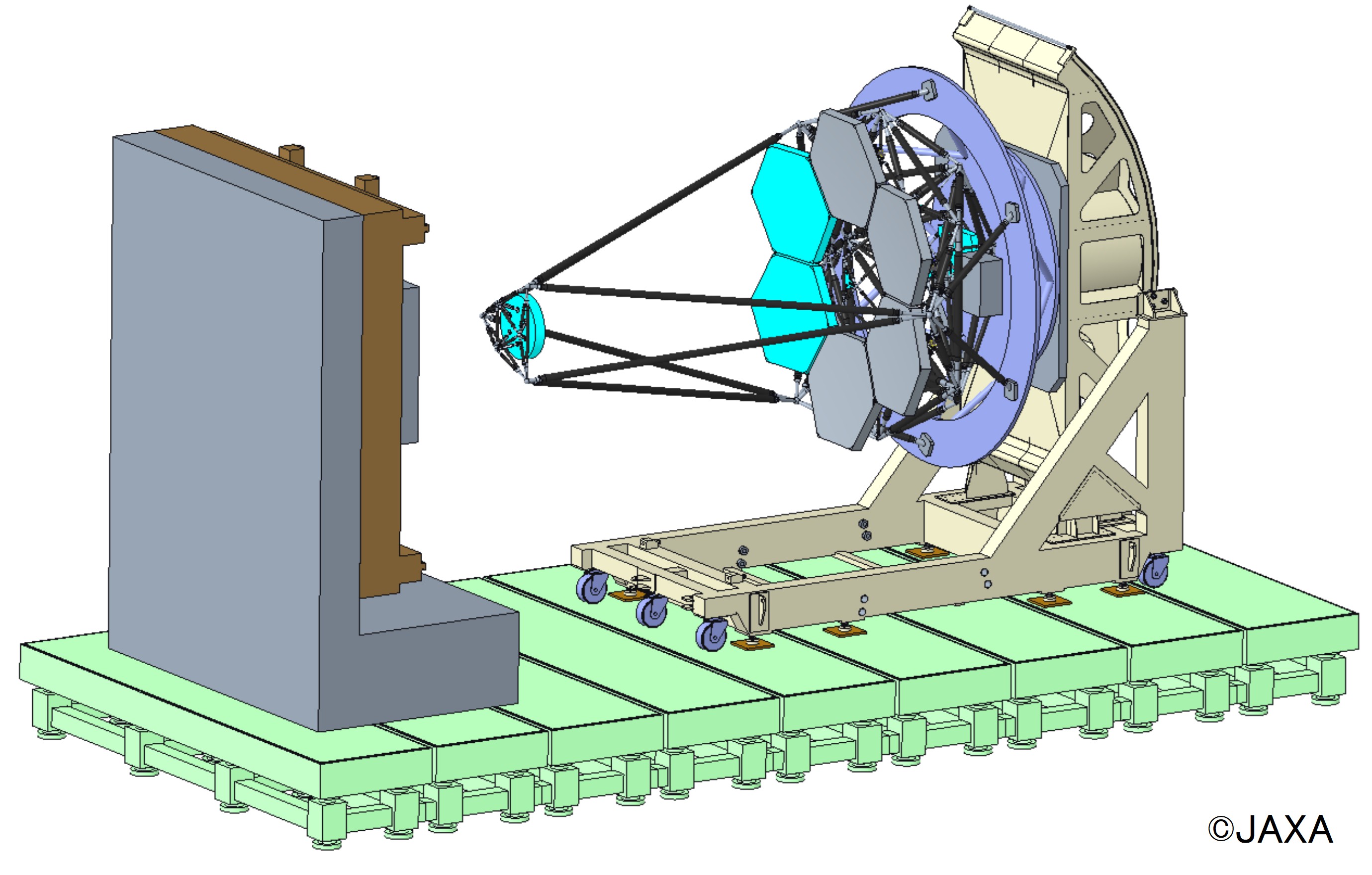
Optical Synthetic-aperture Collaborative Advanced Research in Japan (OSCAR-J) Project
This R&D project will conduct ground demonstrations of large-aperture optical antenna (telescope) technology.
The technology enables wide-area, high-resolution, continuous observation from geostationary orbit, and can respond quickly to observation requests in the event of disasters and other emergencies.
The technology enables wide-area, high-resolution, continuous observation from geostationary orbit, and can respond quickly to observation requests in the event of disasters and other emergencies.
Cooperative Action Leading to Launcher Innovation for Stage Toss-back Operation (CALLISTO) Project
This initiative aims to further reduce costs and strengthen international competitiveness for the next generation beyond the H3 rocket by developing reusable first-stage technology, which has traditionally been expendable.
The project will incorporate Japan’s unique technological strengths and plans to advance flight demonstrations efficiently through international collaboration with the French and German space agencies.
The project will incorporate Japan’s unique technological strengths and plans to advance flight demonstrations efficiently through international collaboration with the French and German space agencies.
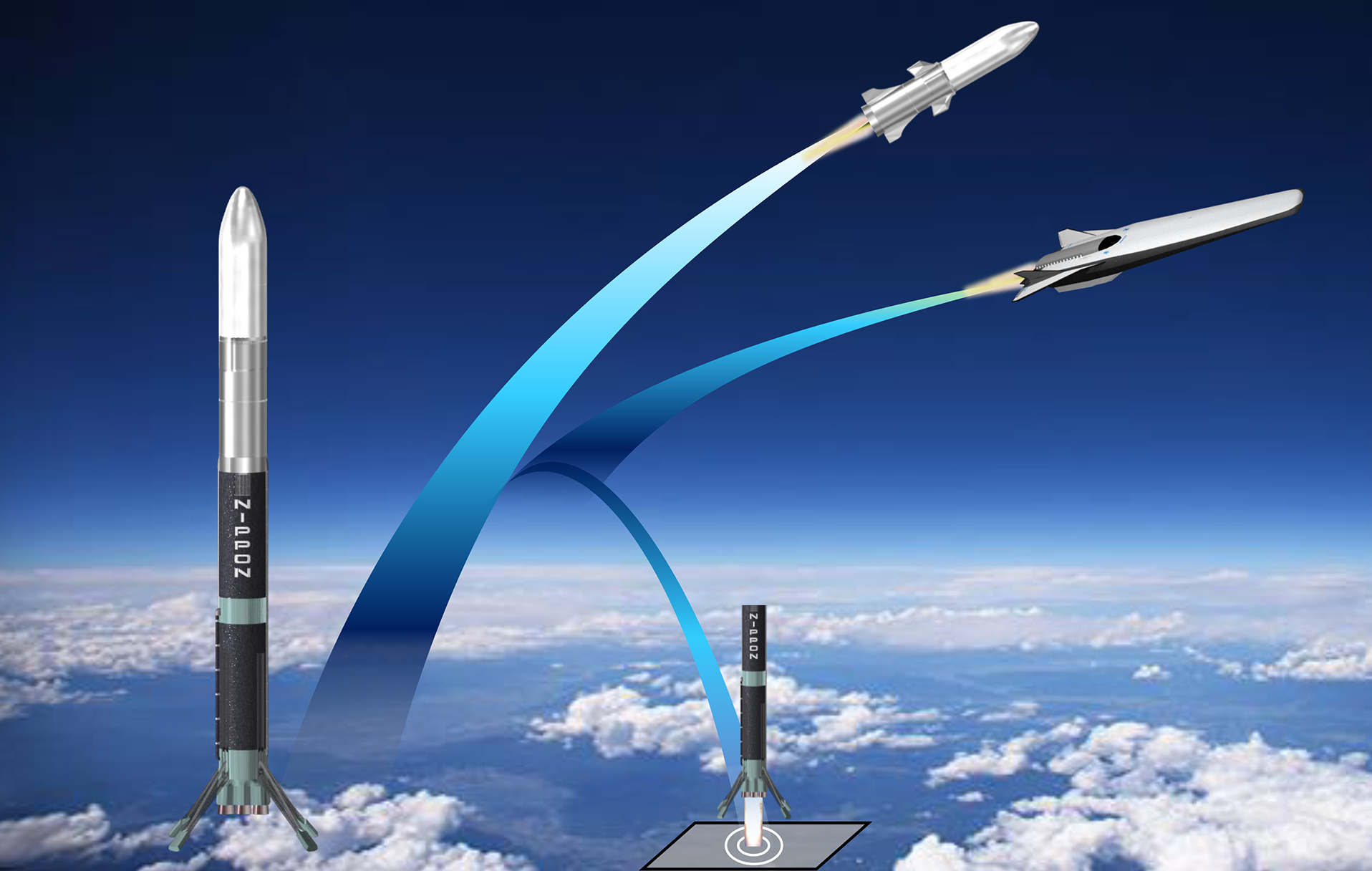
Innovative Space Transportation Programs
This project promotes R&D to acquire innovative technologies needed to realize both a “next-generation flagship rocket” with significantly reduced costs and a “new private-sector-led space transportation system,” in line with national space transportation policy.
Previous Projects
Previous Projects
The information on the website below reflects the status at the completion of the project.